
- October 23, 2026
- Posted by: Admin HRCommunity
- Category: Blog
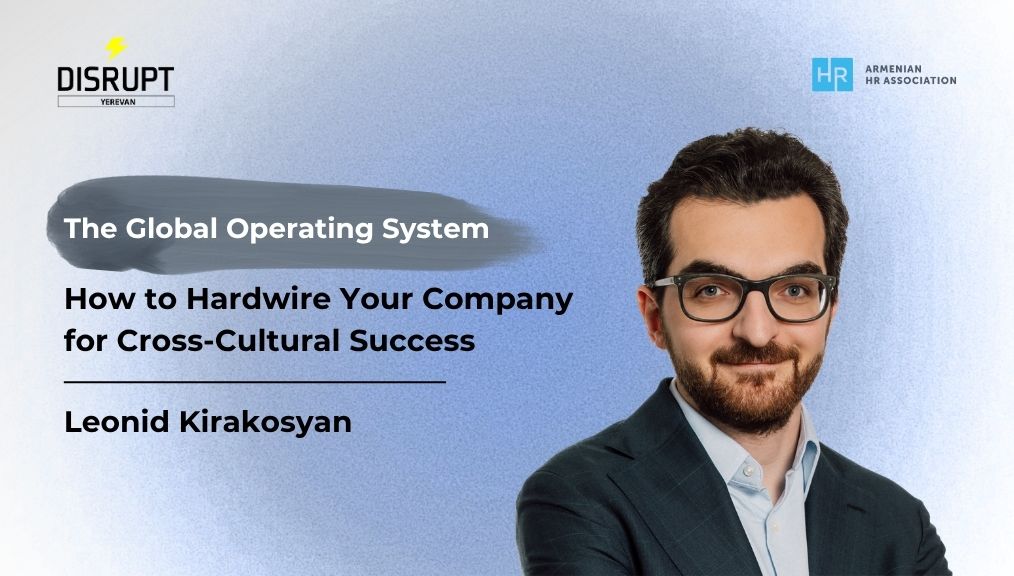
The global workplace is evolving rapidly. Driven by the integration of AI and the permanent shift toward hybrid work models, the rules of business are being rewritten. Yet, amidst this transformation, one element remains the ultimate predictor of whether an organization succeeds or fails: its culture.
Culture extends far beyond office amenities or motivational posters. It is the invisible network of rules and shared norms that dictates how people collaborate. Leading global companies-from New York to Hanoi to Doha-do not rely on a rigid headquarters to mandate behavior. Instead, they engineer a culture that adapts and functions seamlessly across borders.
Why global culture determines organizational success
A cohesive global culture is no longer a corporate luxury; it is the structural foundation of your business. Without shared operational norms, distributed teams duplicate mistakes, experience friction, and ultimately lose top talent.
Consider the cautionary tale of eBay’s early attempts to expand into China. They stumbled because they tried to enforce their domestic operational model, largely ignoring local preferences. A strong global culture prevents these costly missteps. It builds cross-border trust and accelerates the flow of new ideas.
The data supports this reality:
- 90% of white-collar workers now collaborate in global teams
- 70% of leaders credit culture as the primary reason their companies successfully navigate major transformations
- 19 p.p. higher innovation revenue by companies with diverse leadership teams compared to companies with below average leadership diversity
A well-engineered culture ensures that employees feel understood, diverse teams drive greater innovation, and the company avoids expensive cultural blind spots.
How do you structure a global culture? The Core Kernel and Localized UI
Traditional organizations often relied on a top-down model: the central headquarters set the rules, and regional offices were expected to comply. In today’s interconnected world, that rigid approach breaks down.
To build a modern global company, leaders need to conceptualize their culture like a software operating system. It requires two distinct layers: a “Core Kernel” and a “Localized UI.”
The Core Kernel – your source code
This represents your foundational, non-negotiable values across the globe. These principles guide every strategic decision, hire, and partnership. For a top-tier consulting firm, this might be an unwavering commitment to “always put the client first.” For a rapid-growth tech company, it might be the drive to “bring innovations to market faster than competitors.” These core rules remain identical, regardless of geographic location.
The Localized UI – your user interface
However, source code is only effective if the interface makes sense to the user. The Localized UI is how regional teams translate those core values into daily behaviors that align with their specific cultural context. Operations in Lima should not look exactly like operations in Bucharest.
Consider the core value of “transparency.” In some cultures, transparency might be best expressed through an open town hall where everyone is encouraged to debate publicly. In other cultures, employees might prefer private, one-on-one check-ins to feel psychologically safe being honest. Both approaches are valid, and both support the exact same core value. The Kernel provides strategic unity, while the UI ensures local relevance.
What actions drive this shift? 4-step playbook
Engineering this operating system requires intentional design. Organizations can deploy this transition through a structured, four-step playbook:
- Audit your culture: identify core values that must scale and those that are simply legacy habits inherited from the headquarters
- Co-create local playbooks: work with local teams to translate values into regional practices involving those who understand local context, don’t dictate from HQ
- Invest in training & tools: build your culture code, bonding experiences and robust collaboration tools into your workflow
- Measure, listen, and adapt: track progress through feedbacks and surveys and adjust your approach based on what’s working
How Does It Work in Practice? Defining Your Cultural API
If the Kernel and UI form the architecture, day-to-day execution relies on a “Cultural API.” In software, APIs allow different programs to communicate without breaking. In this case,
Cultural API is the set of standardized protocols that allow distinct human cultures to collaborate smoothly.
Leaders must explicitly define these protocols to prevent friction, focusing on three key areas:
- Shared language: establish a common business language and avoid regional slang and jargon that doesn’t translate well
- Meeting and feedback norms: set clear expectations for collaboration. Feedback should be culturally calibrated-direct where appropriate, and nuanced where necessary. Meeting schedules must balance asynchronous work with live calls so that no single time zone consistently bears the burden of late-night hours
- Intentional Exchange: pair mentors and “buddies” across regions to facilitate knowledge exchange and explain unwritten cultural nuances
The future of enterprise leadership is no longer reliant on centralized control. It demands the engineering of culture as an adaptable, resilient operating system.
Article Author: Leonid Kirakosyan
DisruptHR Yerevan 2025